Your factorycan earn itsown credits.
For factories that make energy from farm residue, such as biochar, biogas and pellets, and for factories that use less fuel or switch to a cleaner one. We do the methodology, the documents, the measurement and the registry work, and we are paid out of your credit sale. The factory keeps its equipment, its product and its credits.
No factory taken on yet. The first conversations are open.
- Residue
- Biochar, biogas or pellets made from farm residue
- Fuel
- Less fuel or power for the same output
- Switch
- A cleaner fuel in place of coal or diesel
- Records
- Production, fuel bills and meters you already keep
- Registry
- Filed as your authorised representative

Heat from rice husk, in place of coal.
A husk-fired boiler in a small mill, rice husk heaped beside the feed hopperFactories that make energy from farm residue.
They are credit generators too. We help them earn their credits and bring them to market.
Char from crop residue
Kilns and reactors that turn husk, straw and stalks into biochar.
Gas from residue
Biogas and compressed biogas plants fed with straw, press mud or dung.
Pellets and briquettes
Straw and husk pressed into a fuel that boilers burn in place of coal.
Factories that use less fuel, or a cleaner one.
Less fuel
Better boilers, furnaces, motors and heat recovery: less fuel or power for the same output.
Cleaner fuel
A cleaner fuel in place of coal or diesel, measured against what the plant burned before.
Heat from husk
Rice husk, straw, cane trash or residue pellets burned for heat in place of coal.
What we carry, and what you keep.
The registry work is ours. The equipment, the product and the credits stay yours.
| Who holds whatFrom the first look to the registry | We carryThe work | You keepThe asset |
|---|---|---|
| Whether your change can earn a credit, and under which method | ||
| The baseline: what would have happened without it | ||
| Design document and monitoring plan | ||
| Metering, sampling and records | ||
| Preparation for the independent auditor | ||
| Registry filings as your authorised representative | ||
| The equipment, bought by you or through your own lender | ||
| The energy you make, or the fuel you save | ||
| The credits, in your registry account | ||
| The buyer’s payment, paid to you directly |
One factory, or a whole cluster.
We start with the records you already keep.

A whole cluster at once.
Small units in the same cluster can be served through their association in one engagement, with each member’s data kept separate and each member’s credits in its own account.

Your records come first.
Production logs, fuel bills and meter readings you already keep tell us at the first look whether a change can earn. The first look comes before any promise.

Residue from the farms around you.
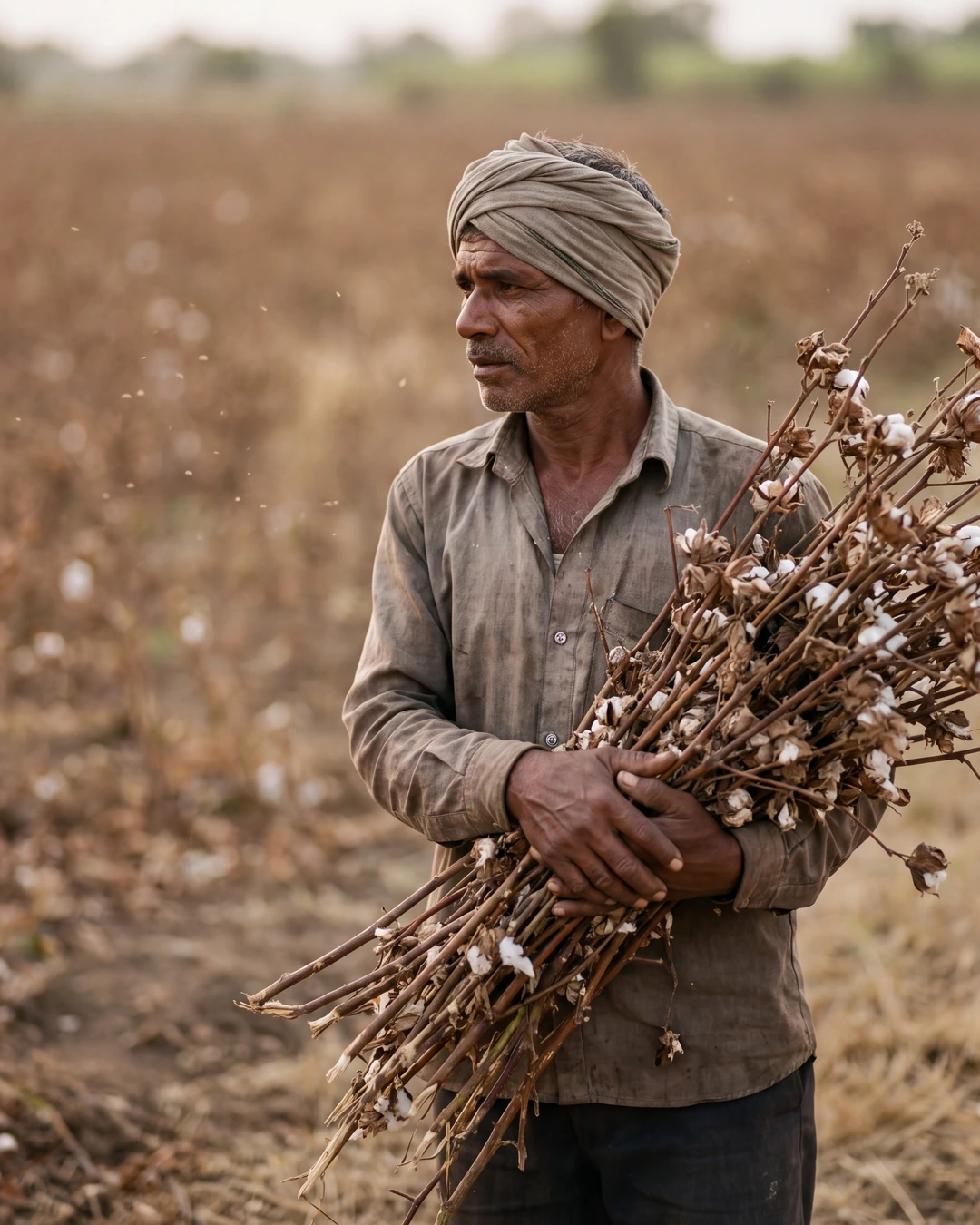
Where a factory makes biochar, biogas or pellets, or a boiler burns husk, straw or cane trash in place of coal, the residue can come from the farms around it, and it stops being burned in the field.
Your equipment is yours from the first day. You buy it yourself or through your own lender, whom we can introduce.
Your credits stay in your own registry account. Buyers pay you directly, and we are paid out of that sale.
When one factory makes the fuel and another burns it, the credit is counted once, by one of them.