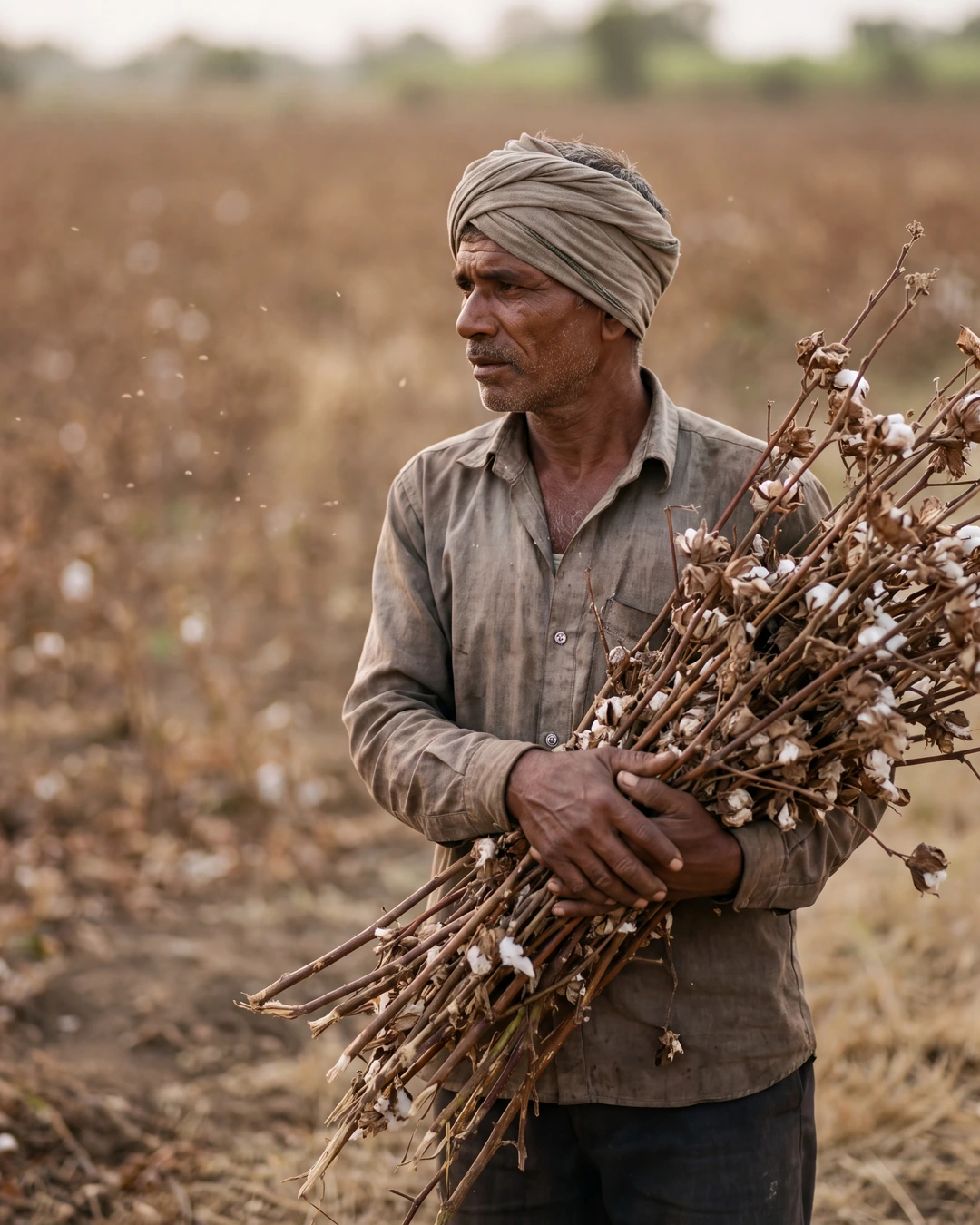
Your residuecan earnmoney.
So can the paddy you keep flooded, the trees on your bund and crushed rock spread on your field. The soil under your crop is measured from the first season, so that it can earn the day a route opens for it. Every payment shows on a statement you can read.
Bought from you, carbonised, and the char goes back to your soil.

Paid for what the farm produces.
Two women carrying straw along a bund between newly planted rice fieldsFive ways your land earns.
Residue, water, trees, soil and rock can all earn from the same farm, starting together.
| What it meansFrom the same farm | ResidueBiochar | PaddyRice methane | TreesAgroforestry | SoilSoil carbon | RockRock weathering |
|---|---|---|---|---|---|
| Paid for the residue, and the char comes back to your field | |||||
| A share of the money, when the credit is sold | |||||
| Measured on your plot, every season | |||||
| Shown on your statement, plot by plot | |||||
| Measured from the first season, so it can earn the day a route opens | |||||
| Asked only where the yield is protected first | |||||
| You keep the fruit and the fodder | |||||
| Sampled deep, paired against a neighbouring farm | |||||
| Checked for your soil before anything is spread | |||||
| Starts together with the others |
From the field, every season.
Each of the five is measured on your plot, and each has its own lines on your statement.

Your residue, bought.
The straw and stalks you would burn are bought from you and taken to the kiln. The char from your own residue comes back to your field, where it is measured in the soil. Where your district's residue goes to a biogas plant instead, it is bought for the plant.

Paddy, with the water managed.
Flooded paddy gives off methane, and managed water cuts it. We ask for it only where the yield is protected first.

Trees on your bunds.
Trees on bunds and field edges. You keep the fruit and the fodder; the carbon in the wood is measured over the years.
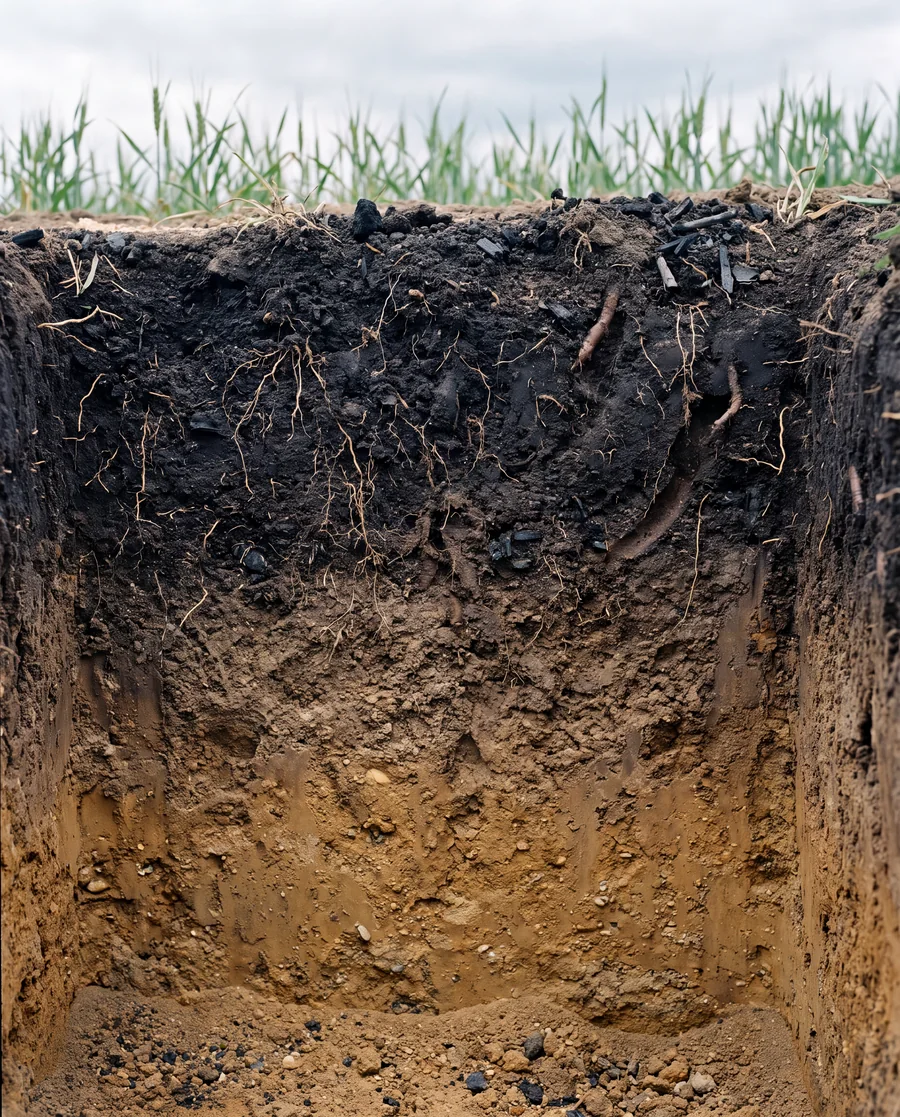
The soil under your crop.
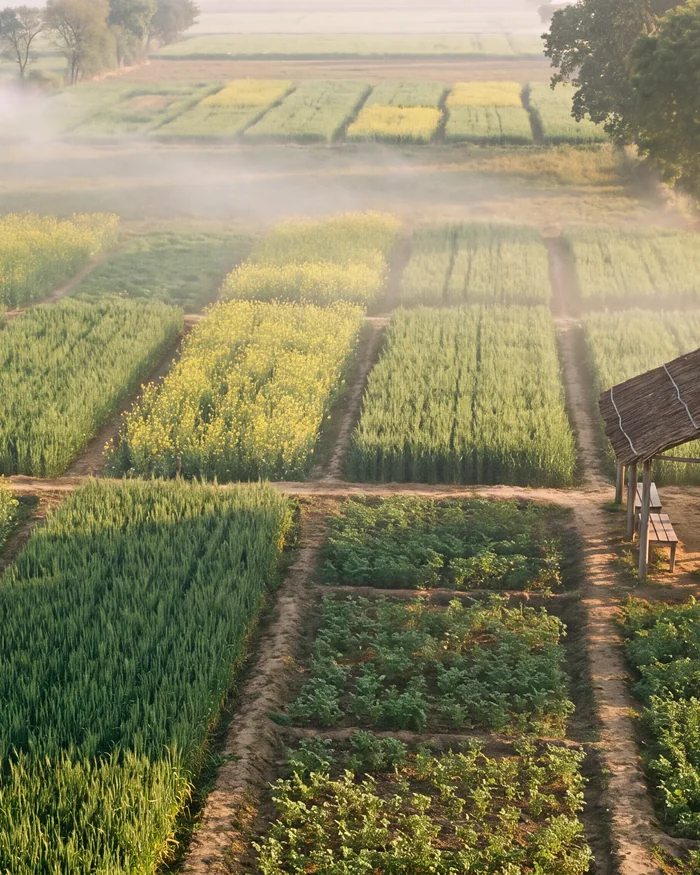
What the ground itself holds, sampled deep from the first season and paired against a neighbouring farm, so that a credit can be issued the day a route opens for it.

Crushed rock on your field.
Ground basalt spread on your field draws carbon down as it weathers. It is measured in the soil and in the water that drains from it, and nothing is spread before your soil and the rock have been checked.

Trees and wheat on the same field.
Shisham trees along a bund between two fields of wheatWhat one farm can earn from.
The credits are one line. Around the same farmer relationship we are building the rest, in words you can hold us to: nothing here is a figure, and nothing is promised before a sale.
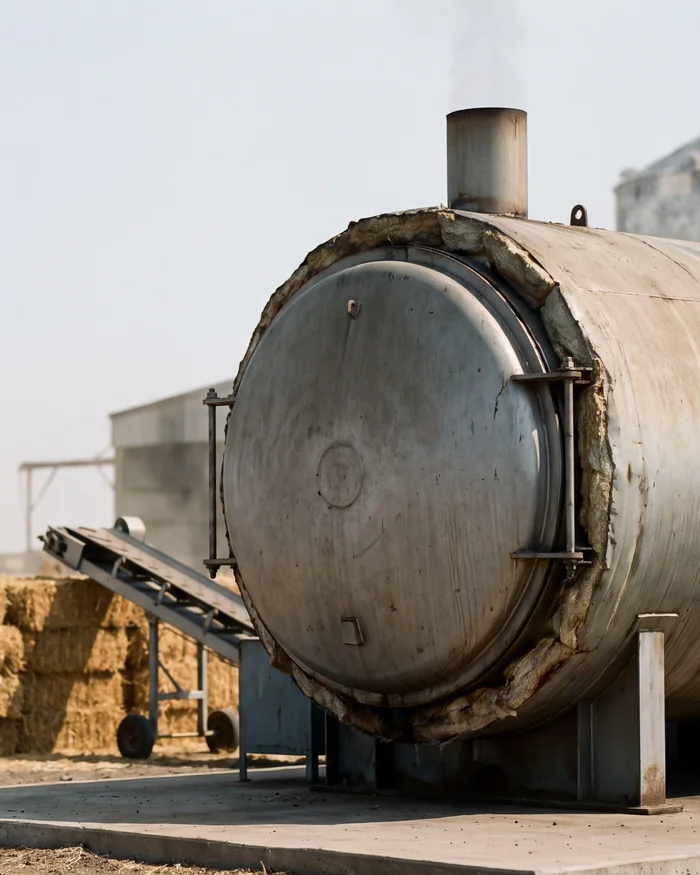
Straw and stalks you would burn are bought from you and taken to the mill. The char from your own residue comes back to your field.
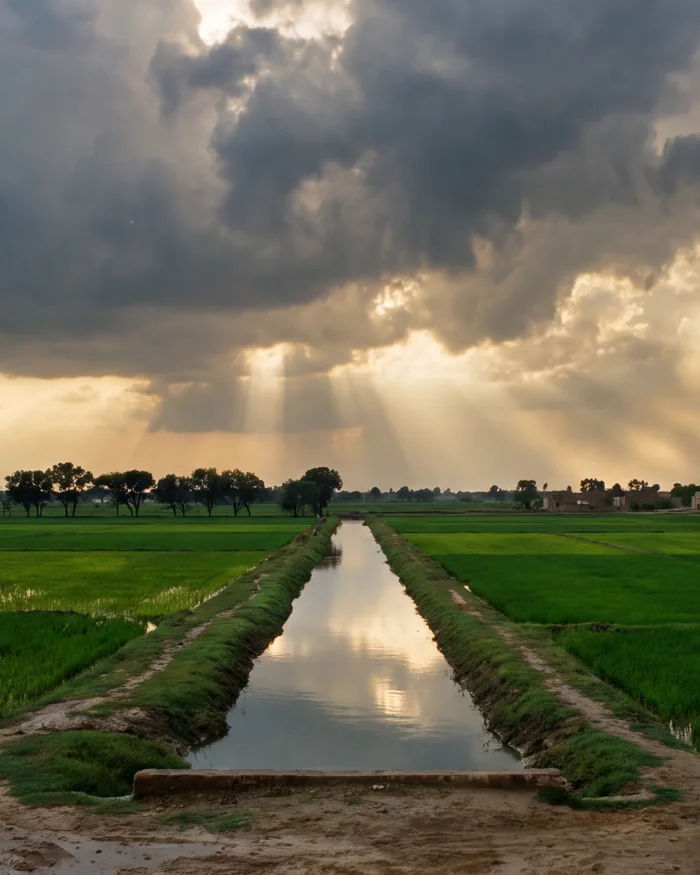
When their credits are sold, you are paid your share, as your written agreement sets out. Nothing is promised as an amount before a sale.
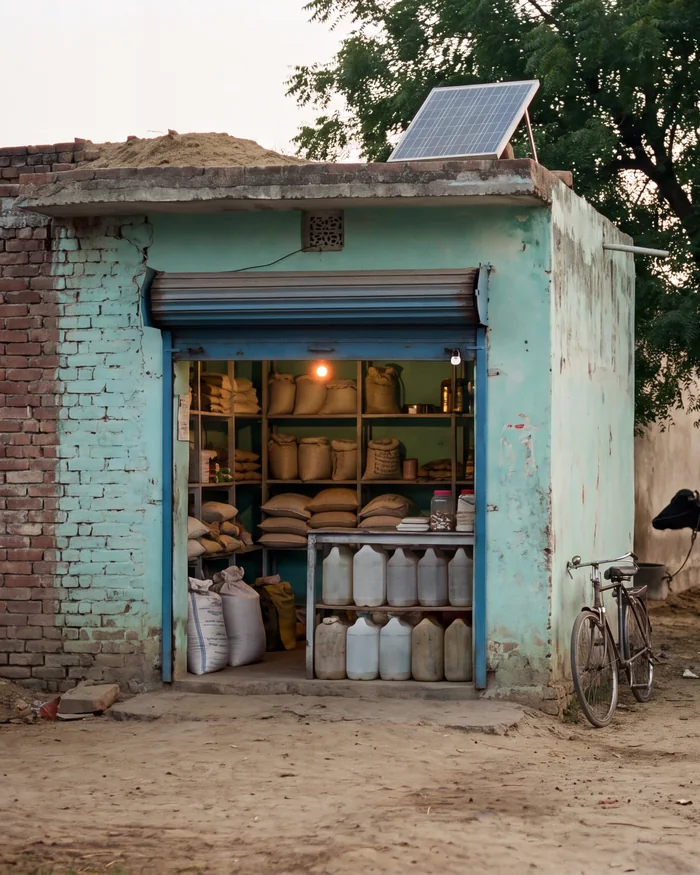
Inputs and implements from partner sellers at the cohort’s price, paid to the seller directly; and buyers introduced for the cohort’s crops. We never hold the goods, and never buy or sell your produce ourselves.
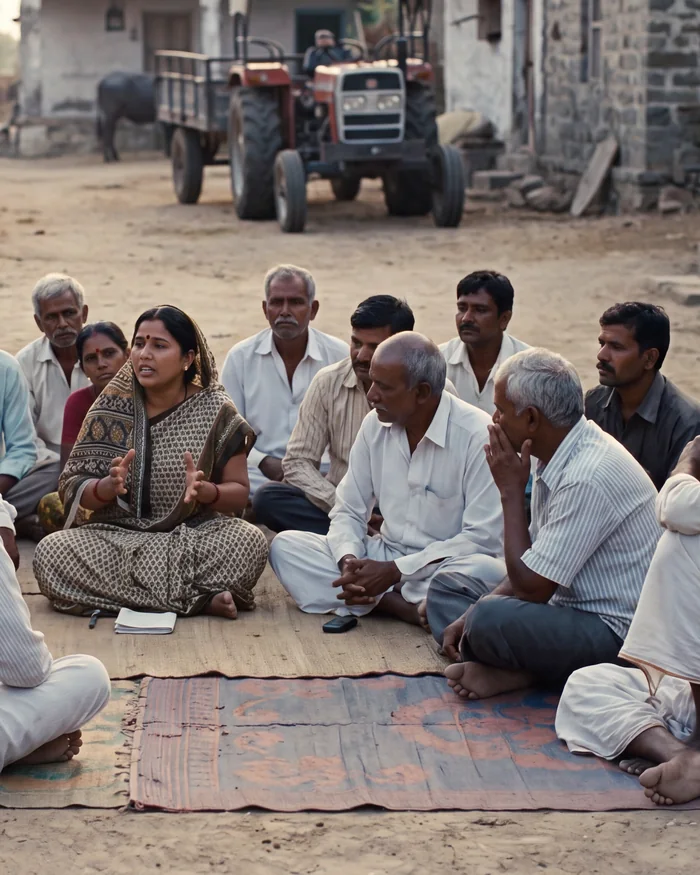
Help with the paperwork for the programmes you are already entitled to, and enrolment with an insurer partner. We facilitate; we never insure.
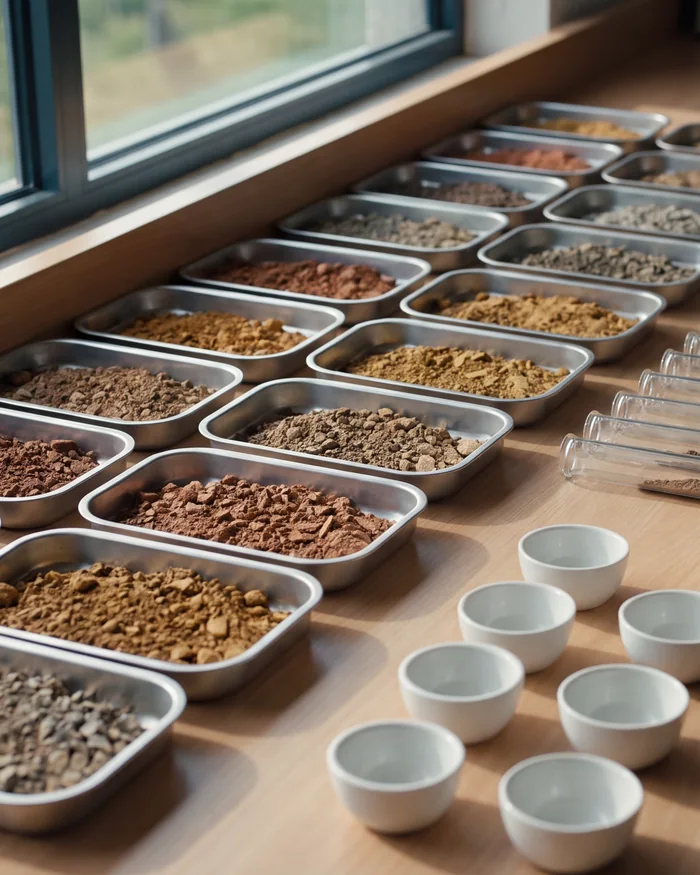
Training at the centre and in your village, never deducted from any share. Soil tests, practice records and measurement results for your plot, returned to you. The data stays yours.
The application being built.
One record from farmer to plot to practice to measurement to credit to payment.
- Enrol and map your plot, with your written agreement
- Your statement: amounts earned and paid, into your own bank, on fixed dates. A statement, not an account
- Practice records, with photographs, that are also the measurement
- Training, public schemes and crop insurance, with the paperwork done
- Inputs from partner sellers, a market for your produce, and residue slips from the weighbridge
A field team’s screen and a buyer’s portal are built on the same record, and other project owners will be able to use it for their own farmers.
- Plot
- The north field, by the bund
- Agreement
- Written, in your language
- Practice
- Residue to the kiln, char back
- Residue weighedPaid
- Char returnedDone
- Soil sampledDone
- Credit soldWaiting
- Your shareFixed date
A statement, not an account
- At the centreResidue and char, this season
- Crop insurancePaperwork ready
- A market for your cropBuyers introduced
- Your local pointYour order, ready to collect
We do not ask you to change a practice that risks your harvest unless the loss is already covered. Until then, only what does not cut yield.
Residue, water, trees, soil and rock can all earn from the same farm, starting together.
Baselines a government would recognise, measured every season, and a statement you can check.