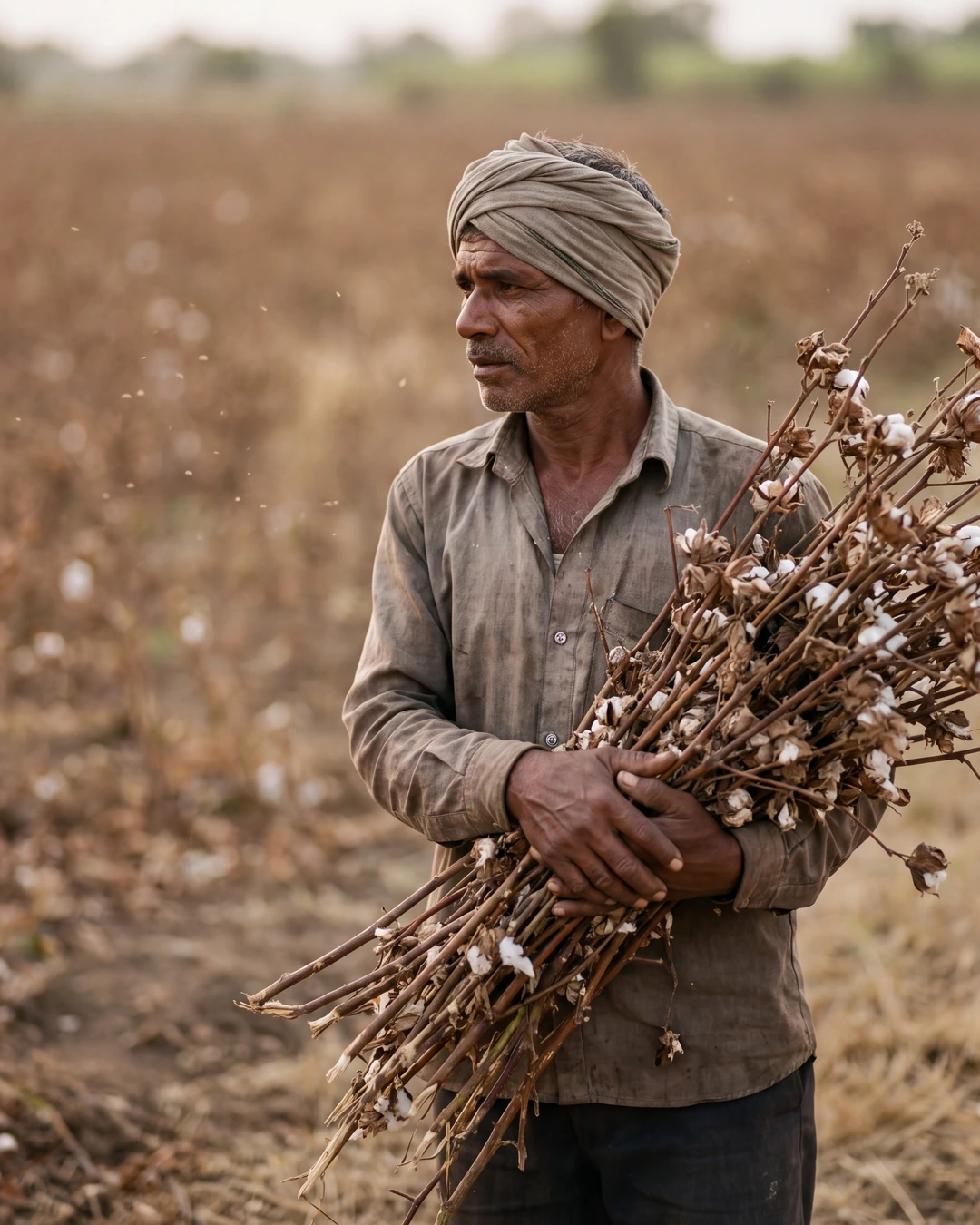
Your plantalready cutscarbon.
Biogas plants, sugar mills, rice mills, ginneries and kiln operators. We bring what your plant already does to the carbon market, without you learning the registries.
- Eligibility
- Which methodology, and is it additional
- Baseline
- What would have happened without the plant
- Documents
- Design document and monitoring plan
- Measurement
- Feedstock in, gas or char out, metered
- Registry
- Filed as your authorised representative

Sooner than any farm.
Biogas digester domes beside bales of crop residue at dawnThe plants we work with.
Gas to credit
Compressed biogas from crop residue, with a route into trading between countries under the Paris Agreement.
Residue at the gate
Rice mills, sugar mills and ginneries where residue already arrives.
Char to credit
Biochar kilns and reactors, including ones an equipment maker owns.
What we carry, and what you keep.
The registry work is ours. The plant, its product and its credits stay yours.
| Who holds whatFrom the first look to the registry | We carryThe work | You keepThe asset |
|---|---|---|
| Eligibility and the right methodology | ||
| Baseline and additionality | ||
| Design document and monitoring plan | ||
| Measurement system and sampling | ||
| Preparation for validation and verification | ||
| Registry filings as your authorised representative | ||
| The plant and what it produces | ||
| The credits, in your registry account | ||
| The buyer's payment, paid to you directly |
Records
already
kept.
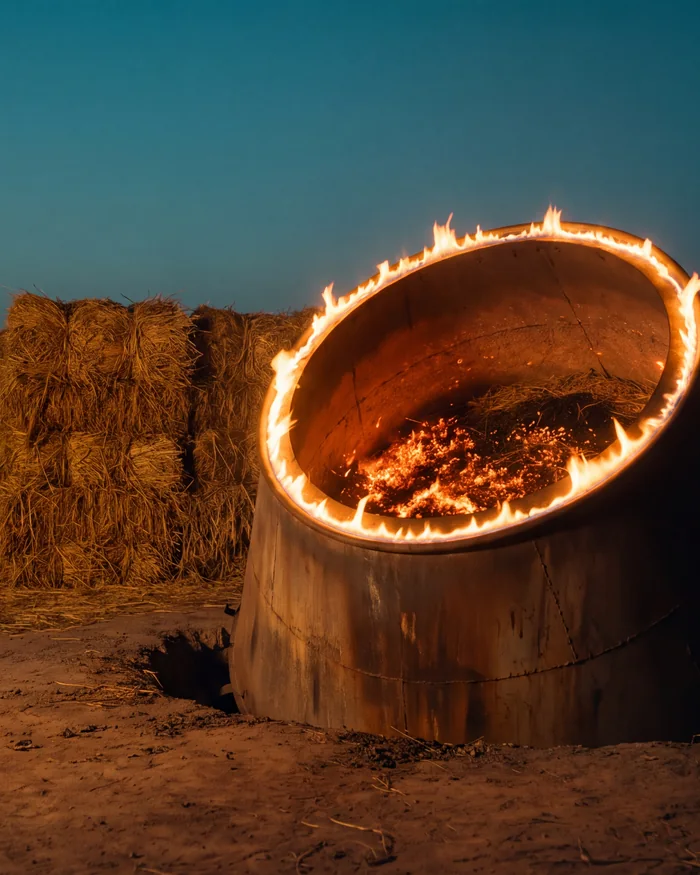
A farm project has to be monitored over seasons before a single credit exists.
A plant that already runs has operating records today: what went in, what came out, what was sold.
That is why a plant's credits can come to market sooner.
We are not an auditor. An independent body validates and verifies every project.
Buyers pay you directly. We never hold your credits or your money.
One methodology per source, per plant, so nothing is counted twice.