Biochar
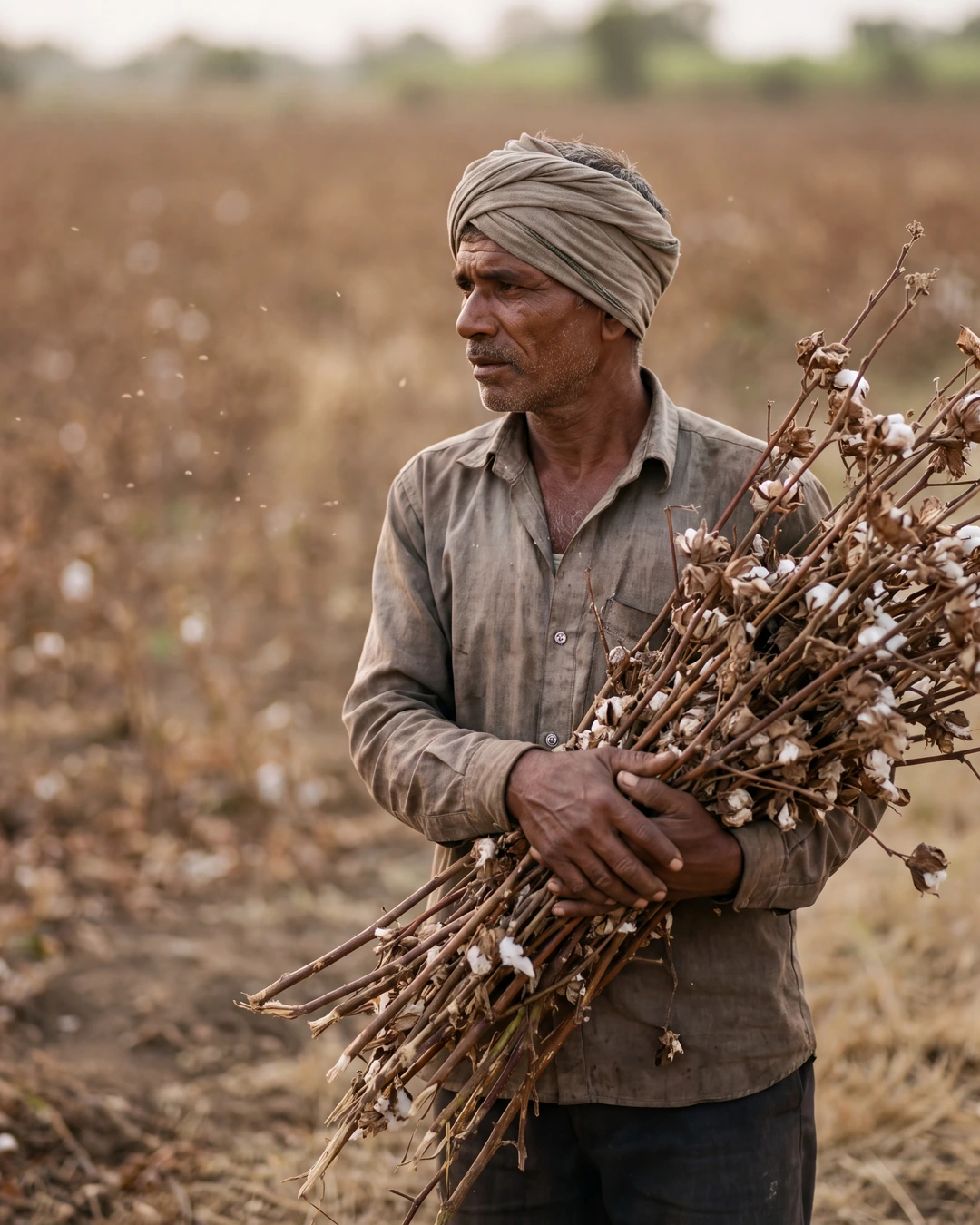
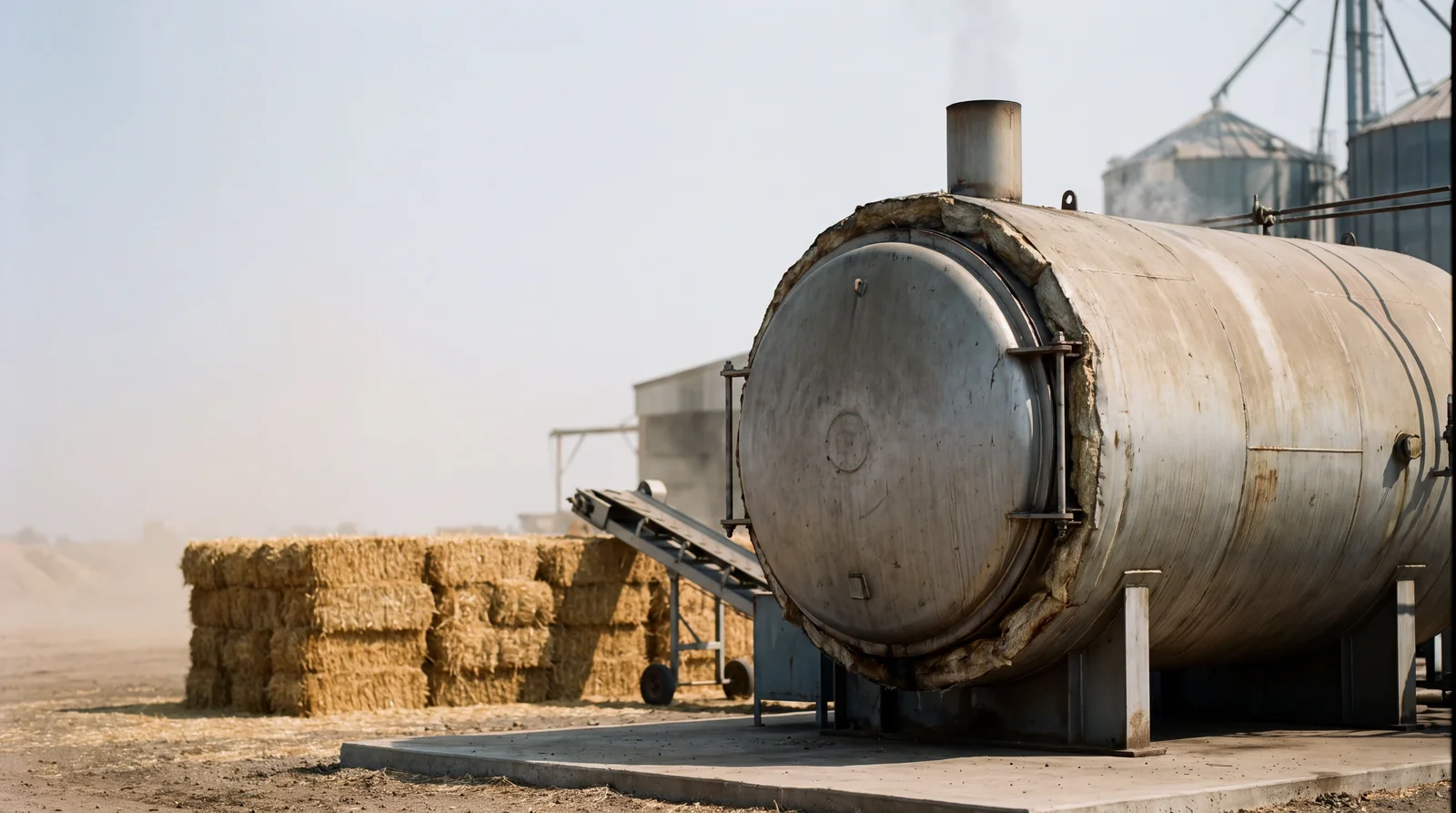
Straw and stalks that would burn are carbonised at the aggregation point, and the char goes back into the farmer's soil.
- Can go to
- Voluntary registries abroad
- Measured by
- Kiln output and the soil
From the field to a credit: enrol the farm, measure it every season, register it on an international registry, issue the credit, and write the farmer's statement.

Every plot, every season.
A perforated water tube standing in a young rice field, an egret lifting offEach step is done for each plot, and each one leaves a line on the farmer's statement.
Each farmer enrols with their plot. Nothing is asked that risks the harvest unless the loss is already covered.
Sensors, samples and satellite every season. Audited output from the kiln, not its nameplate.
A published international methodology and an international registry. One gas source, one method, one registry per plot.
Credits are issued under recognised methodologies and retired in the buyer's own registry account.
Every payment shows on the farmer's own statement, shared with the farmer and the people they authorise.
All six start together.
Straw and stalks that would burn are carbonised at the aggregation point, and the char goes back into the farmer's soil.
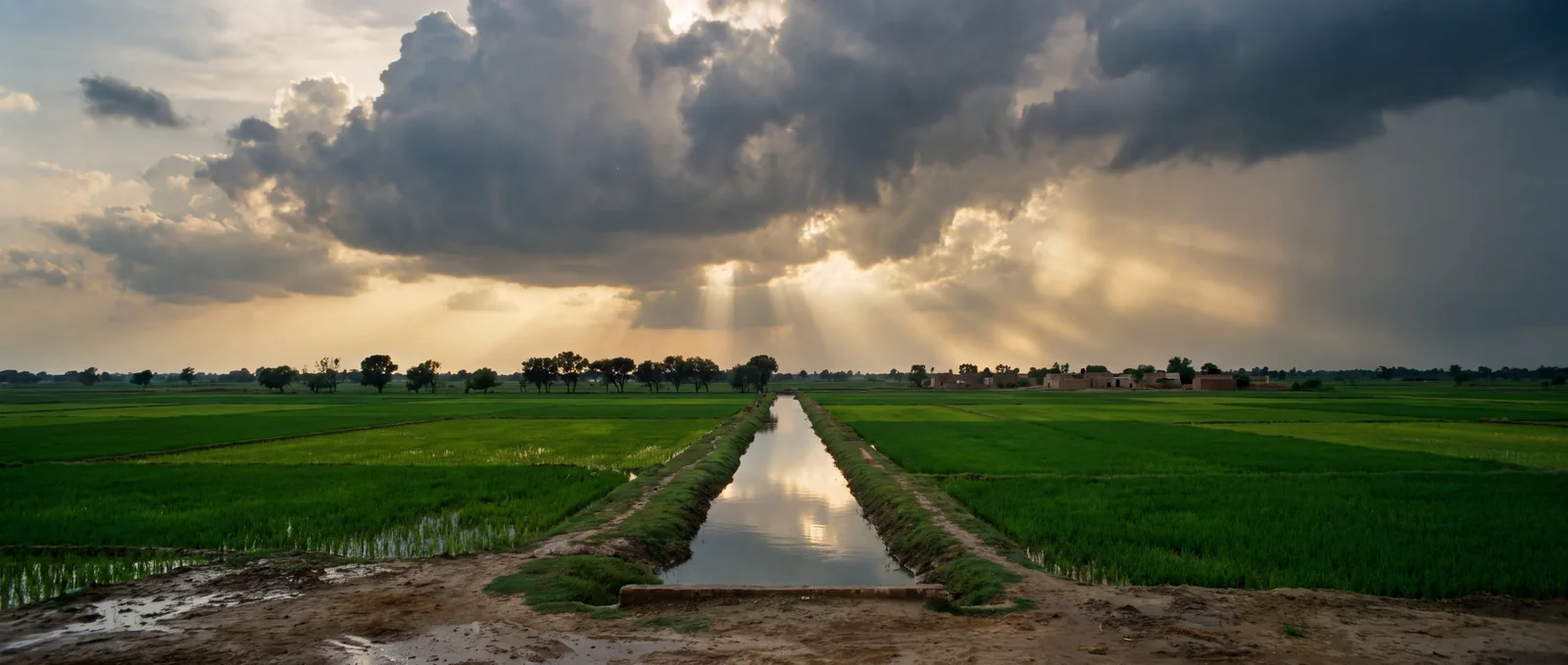
Flooded paddy gives off methane; managed water cuts it. Asked only where the yield is protected first.
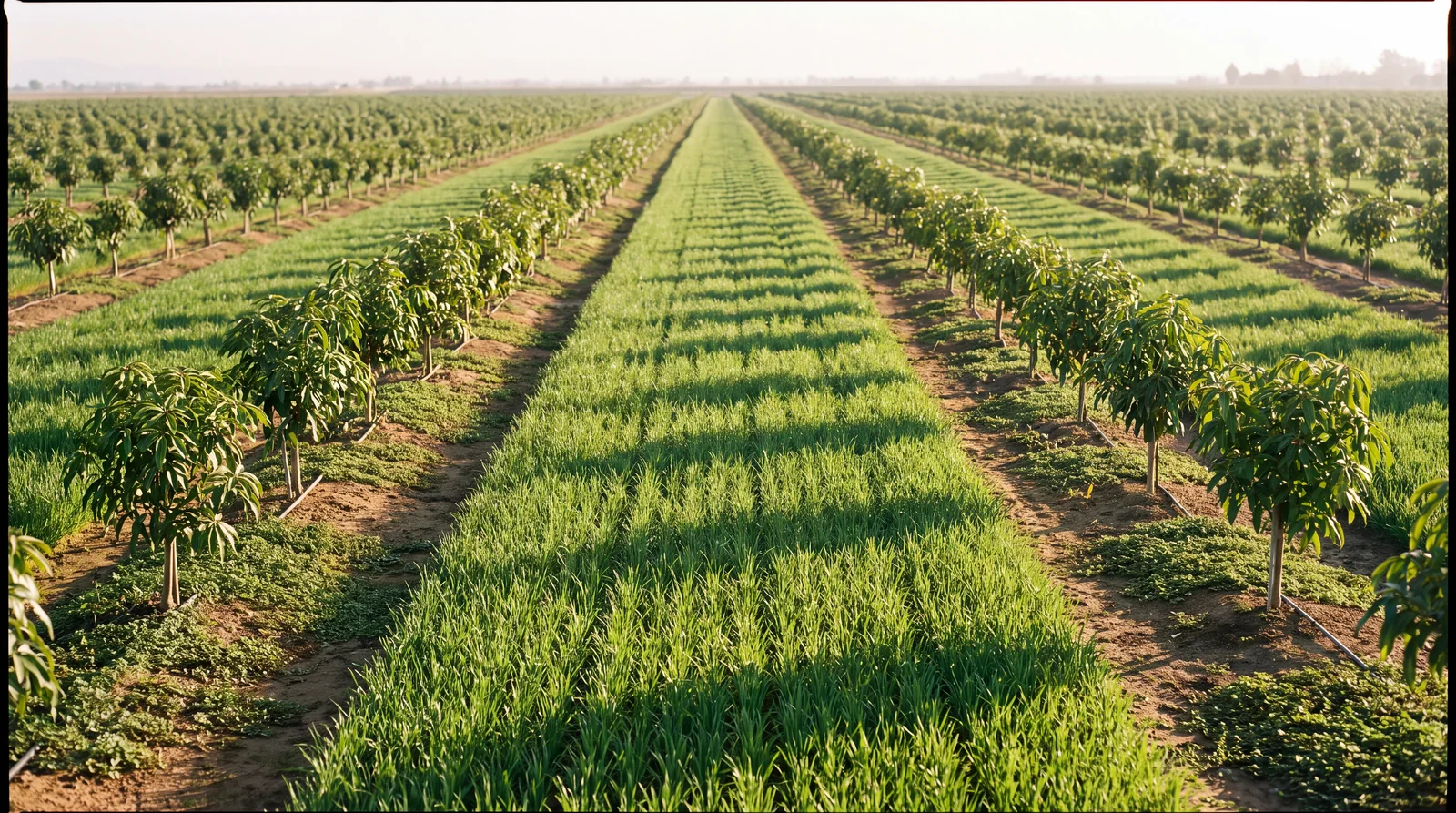
Trees on bunds and field edges. The farm keeps the fruit and the fodder; the carbon in the wood is measured over years.
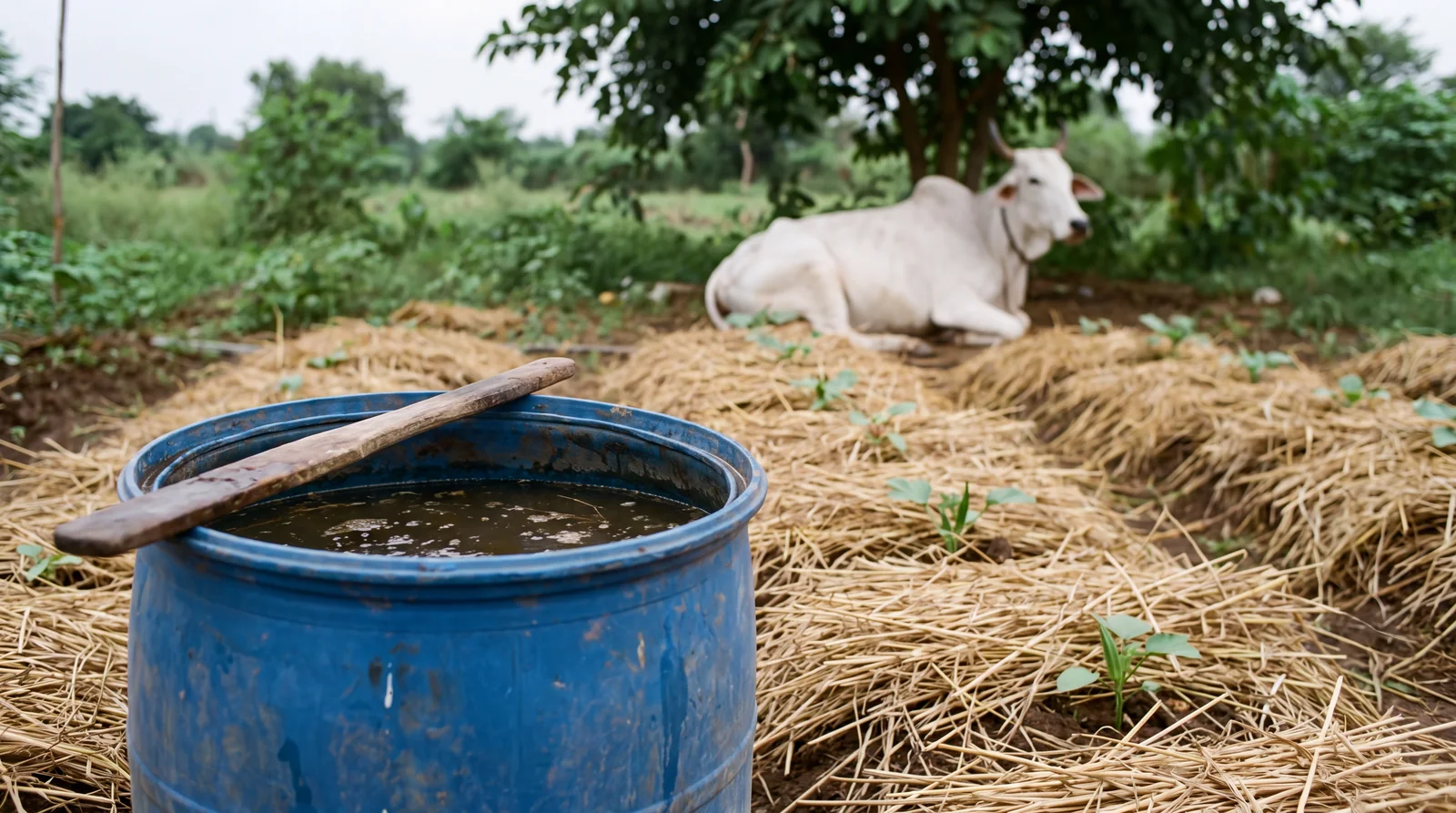
What the ground itself holds, sampled deep from the first season and paired against a neighbouring farm, so that a credit can be issued the day a route opens for it.
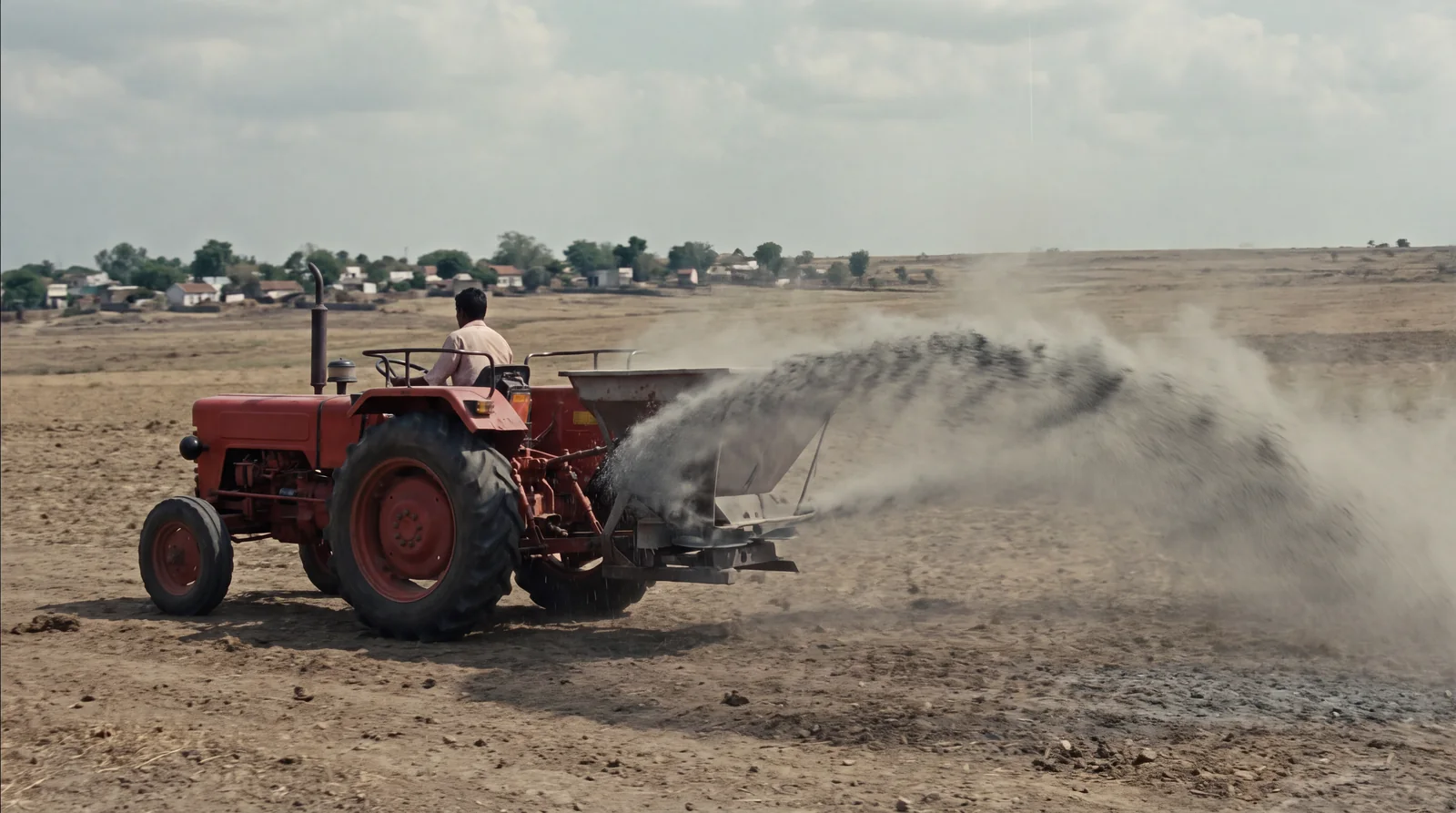
Ground basalt spread on the field draws carbon down as it weathers, measured in the soil and in the water that drains from it.
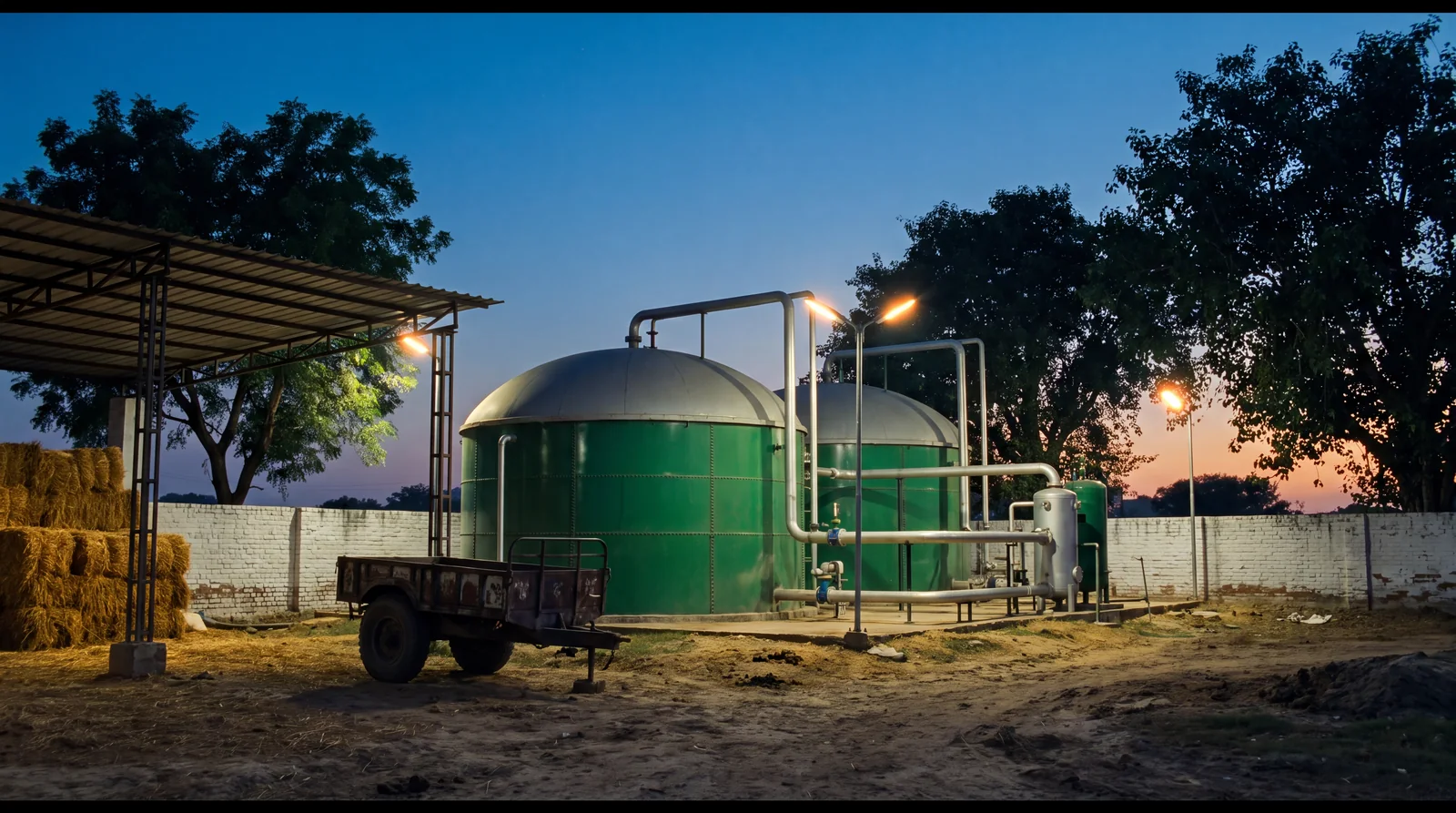
Residue the field cannot use goes to a plant someone else owns, and we develop the credit for it.
The mill, ginnery, seed plant or sugar mill where residue already arrives is the hub: a kiln, dryer or digester at its gate, a collection centre and a field office. Villages, village trainers and farmers are the spokes, and the farmer organisation runs the point. We prove one district end to end, then copy it.
From the plot to the farmer’s own bank.
For our own projects that is us; for a plant owner’s or another developer’s project, the buyer pays that owner and we invoice our fee afterwards. We are paid only for our own credits, our own services and our own introduction fees.
What a farmer is paid, and when, is set out in a written agreement before they join. Their share goes into their own bank on fixed dates, on a statement that holds no balance.
The residue is bought from the farmer, with a slip from the weighbridge; the char goes back to the same plot. Nothing is promised as an amount before a sale.
The farmer organisation is paid a share of sales against its own invoice; nobody is paid to sign. Equipment makers, labs and institutes are paid as suppliers, or on output where a maker holds the reactor. An input seller is paid by the farmer directly.
A forward purchase is paid to the project owner and settled in credits issued into the funder’s own account. Construction finance moves from lender to owner; we arrange it and are paid a fee. We never lend.
Consent is explained at a village meeting, in the farmer’s language; landowner and cultivator both sign; a complaint must be answered within a set time. An auditor who is not us verifies, and only then does a credit exist.
The centre, the local points, and the two markets we arrange rather than own.

On our own land on the first corridors, once it is built: where farmers, partners, buyers and visitors will see the practices and the measurement work on real plots. Trainers trained here teach in their villages. A provenance room where a buyer or an auditor can follow a credit from plot to registry. Soil results a visitor takes home, and honest results shown even when a plot is flat. Planned with agricultural universities, research institutes and public bodies.

A network of training, technology and farmer-access points run by franchise partners under our name, application, systems and training. A farmer learns there, collects what was ordered from partner sellers, and brings what was grown. The operator holds its own stock and trades on its own account.

Both arranged, not owned. Agri Produce is a market linkage for the cohorts’ crops: grading, traceability and buyers introduced, for a fee. The inputs market is a place inside the application where sellers list inputs, tools and implements and the farmer pays the seller directly. We never hold goods or anyone else’s money. Biochar may also be supplied for other lawful uses.
Finding the farmer organisations, the mills and the first buyer who will say yes before there is anything to show.
A small cohort on one set of fields, practice changed and soil sampled at the start.
Registered on the evidence of a season, verified by an auditor who is not us. Only then does a credit exist.
The same system on more ground, the research centre on our own land, and the finance layer if the regulator allows it.