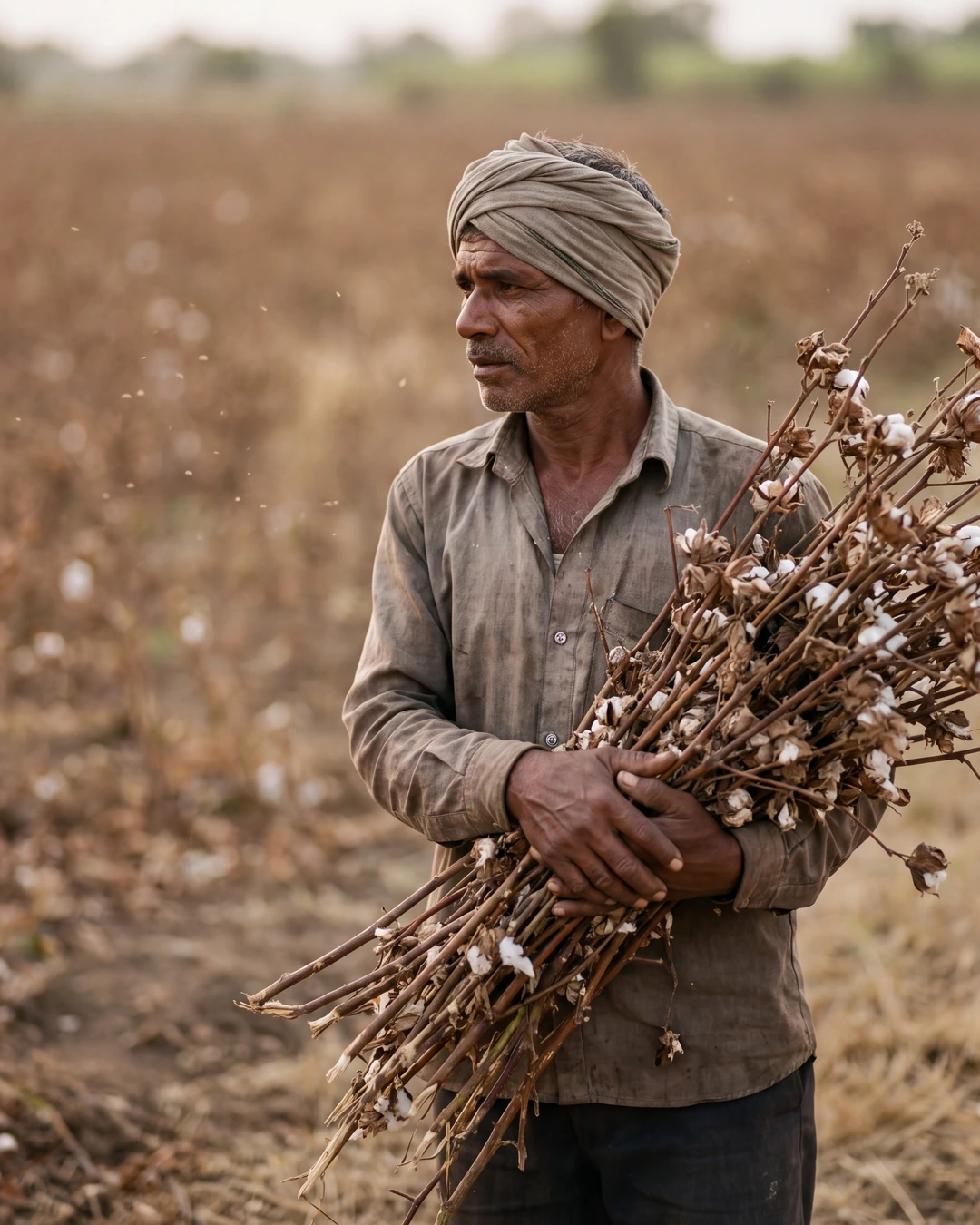
Built whereresiduegathers.
Mills, ginneries, seed plants, sugar mills, farmer organisations, kiln and digester makers, measurement teams, researchers. The credit is built where the residue already arrives.

Built where the residue arrives.
A tractor with a trolley of straw on a weighbridgeThe kinds of partner the credit is built with.
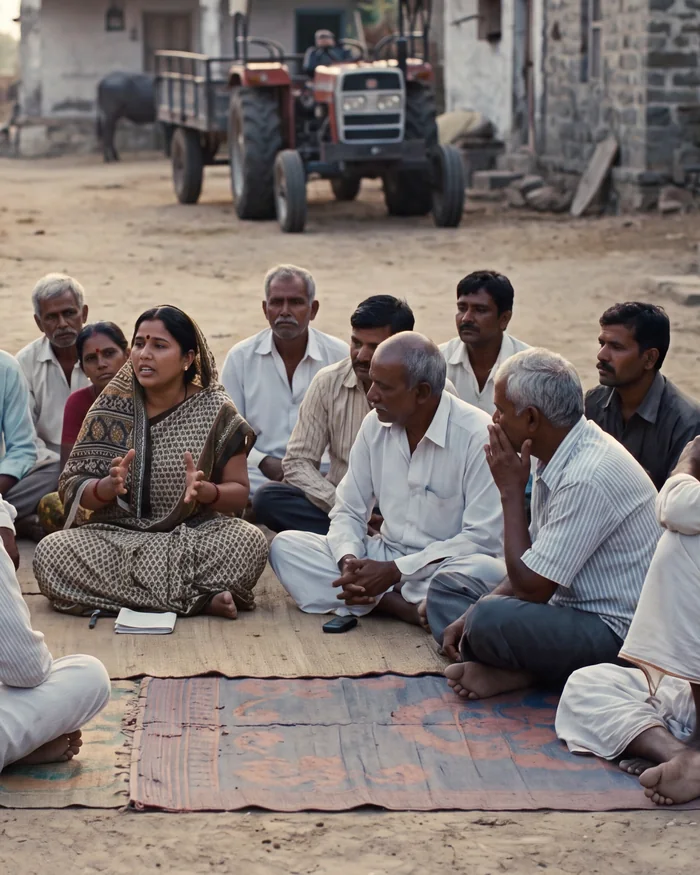
Farmer organisations
FPOs, cooperatives and natural-farming cohorts. Every member gets their own statement.
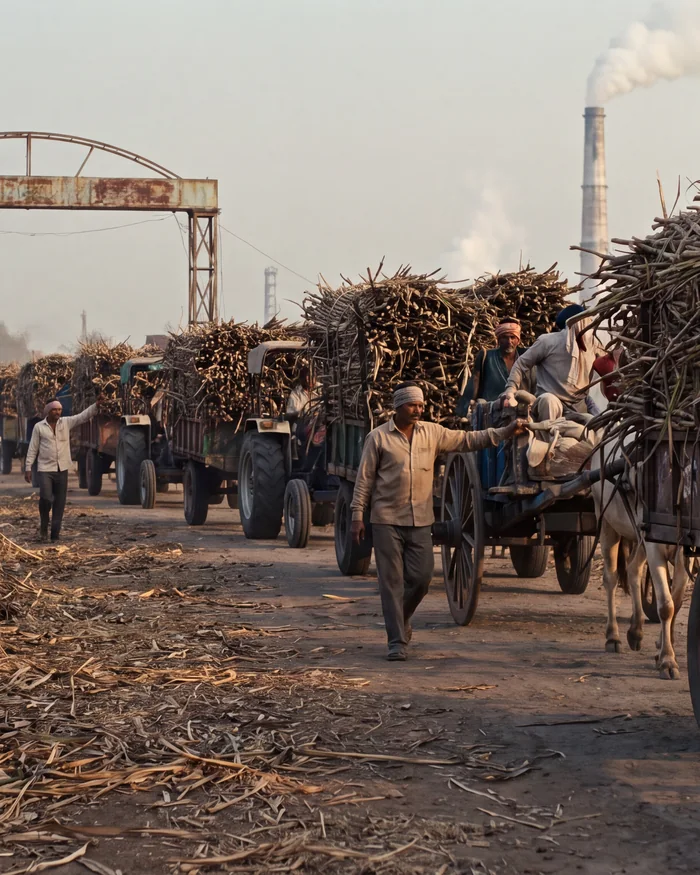
Aggregation points
Rice mills, ginneries, seed plants and sugar mills, where a kiln, dryer or digester begins the credit.
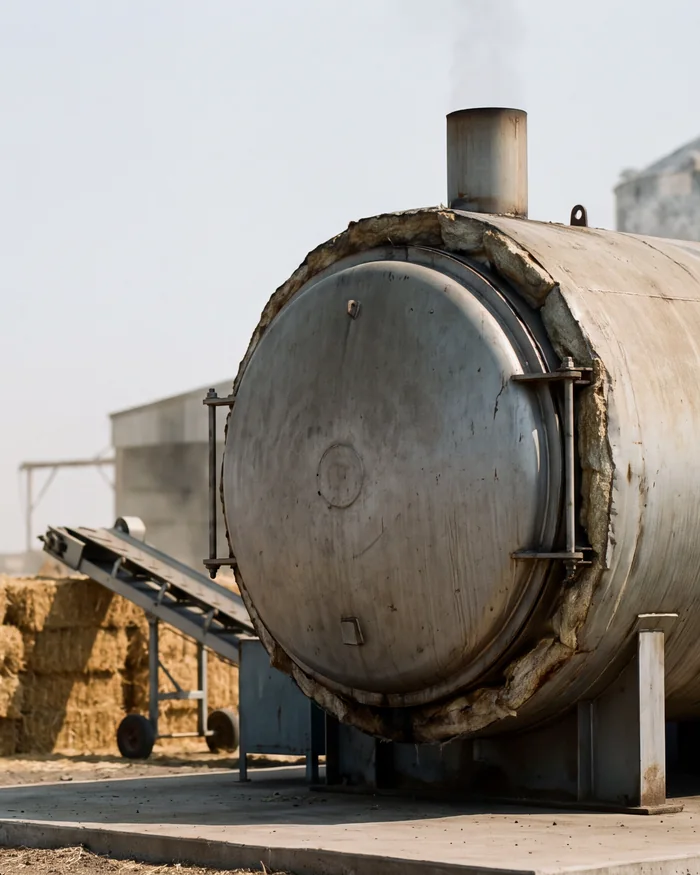
Equipment makers
Kilns, reactors, dryers and digesters, sized to what the machine has been measured to do.
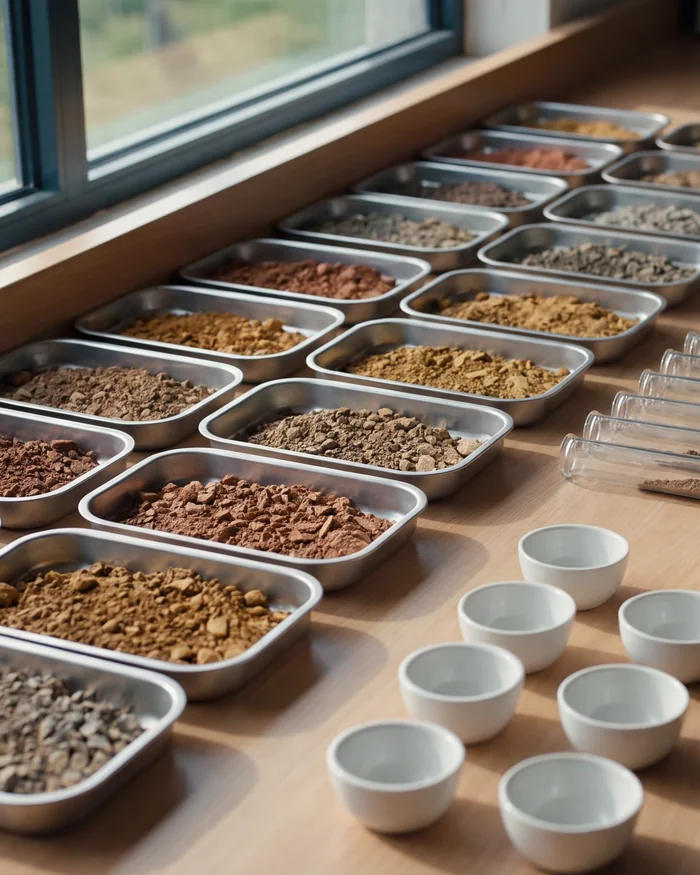
Measurement
Sensors, sampling labs and satellite, cheap enough to repeat.
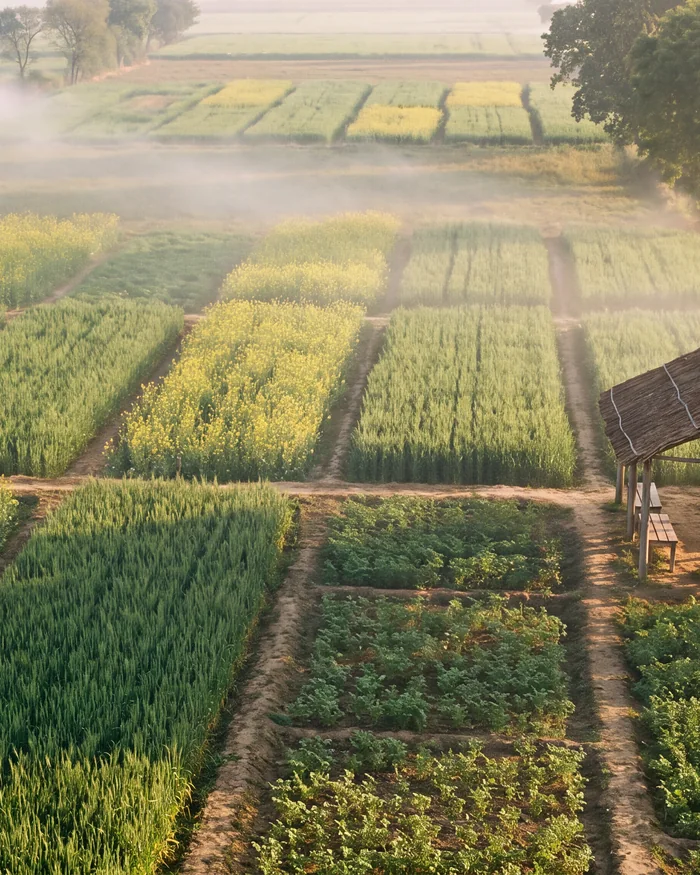
Research
Universities and institutes: baselines, sampling design, methodology and training.
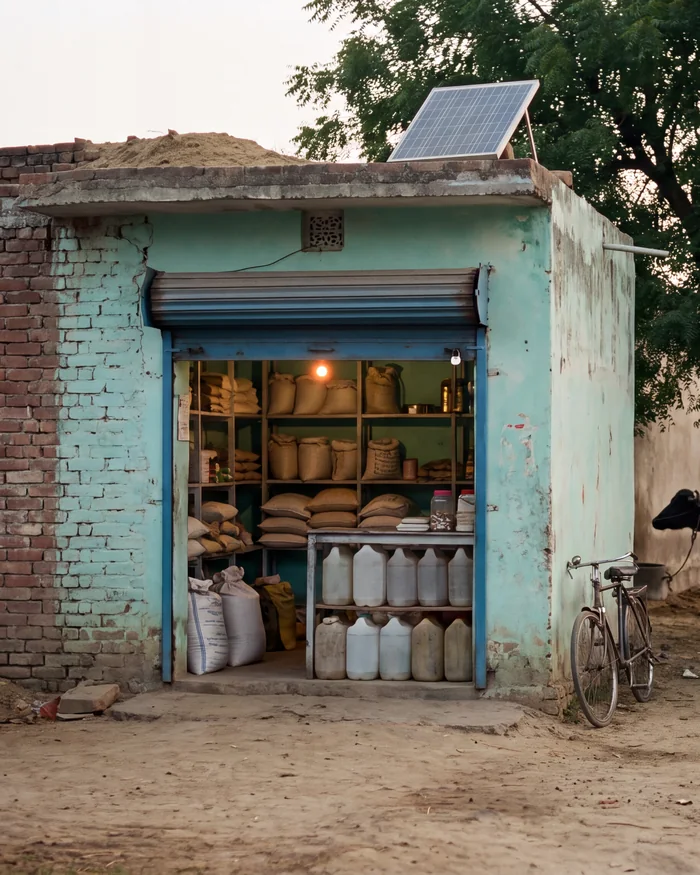
Programmes and inputs
Public schemes, input companies and training partners connected to the same farmer cohorts.
How each partner works with us
Farmer organisations.
Enrolment comes through the farmer’s own organisation, at a meeting, with a plot they can walk to. The organisation organises collection days, witnesses weighing, keeps member lists and never handles members’ money. A local field person from it checks the plot each month.
Kiln, reactor, dryer and digester makers.
An order book at aggregation points with feedstock already contracted. Indian and multi-maker; sized to measured output. A maker may hold the reactor and earn on what it produces.
Input and biologicals companies.
List inside the application and sell into a known cohort with practice records. The farmer pays you directly or through an authorised payment provider; we never hold the goods.
Labs and measurement vendors.
Samples, sensors, satellite and field runners through one integration into the evidence layer.
Universities and research institutes.
Baselines, sampling design, methodology and training on real plots, with the experience centre to work from, by written agreement.
Partners for the projects we represent.
Investors and climate funds, technology and implementation partners, industrial and infrastructure owners, agricultural and land partners, and carbon-market partners. Every represented project carries its owner’s own terms.
On every site,
the same
five rules.
Feedstock at an aggregation point first: we build where residue already arrives, not where we wish it did.
Audited output, not nameplate: a kiln is worth what it has been measured to produce.
Measured every season, with sensors, samples and satellite, not surveys, against baselines a government would recognise.
And no credit inventory. We develop and measure; we do not hold credits to trade.
Nobody is paid to sign. What a farmer organisation receives comes from credits that were sold; suppliers are paid as suppliers.
Farmers are paid for what their farms produce, and see every payment on a statement they can read.
Funders and buyers pay project owners directly. We never pool or pass on anyone else's money.
For other developers
For other project owners, the same work as on our own projects: feasibility and baselines, project documents, measurement and registry work, as authorised representative.
- Feasibility
- Baseline
- Documents
- Measurement
- Registry